
What can we learn from it?
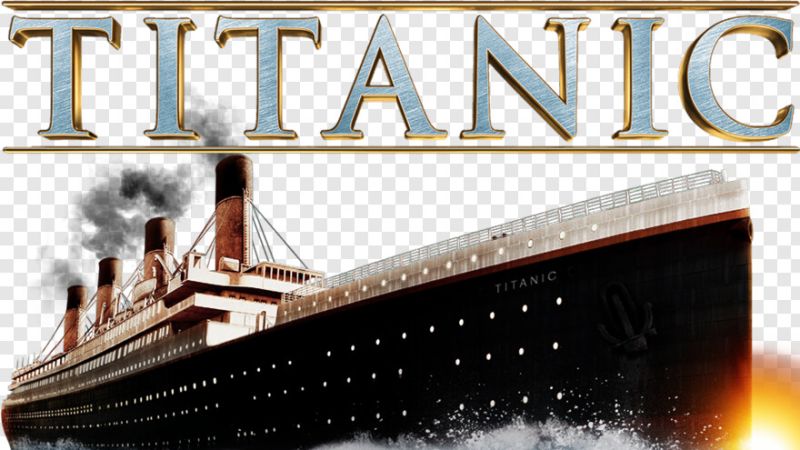
Titanic stuck an iceberg and sank to the bottom of the Atlantic Ocean on the fateful night of 14 April 1942. The ship’s wireless operators received multiple warning messages about icebergs from six other ships in the region. The messages started flowing in from 9 am on 14 April, including an instance of another ship passing icebergs and large quantities of field ice.
The captain acknowledged receipt of the messages and shifted course a bit further south but didn’t reduce the ship’s speed.
The shiny new wireless telegraph system on board was also being used to transmit marconigrams (messages sent by radiotelegraphy) for the ship’s wealthiest first-class passengers. The operators were so busy handling the marconigrams that one of them responded to the final warning that night, “shut up, I am working Cape Race” (referring to the relay station at Cape Race, Newfoundland).
Also, the lookouts (person in charge of looking out for hazards) on Titanic were without binoculars. The binoculars were under lock and key; the key was with second officer who was taken off the ship at the last minute and he forgot to hand over the key to his replacement. One lookout, who survived, told during official inquiry that if they had binoculars, they would have seen the iceberg sooner – at least enough to get out of the way.
Lastly, it did not have enough lifeboats, they could accommodate only half the number of passengers.
One wonders why sufficient actions were not taken to steer the ship away from danger?
Or adequately prepared for danger?
Is it because Titanic was considered unsinkable? Did this belief in its sturdy frame and solid operating system create unacceptable levels of comfort.
What’s the learning for us as leaders ?
– Question our assumptions, especially if something gives us a very high sense of security.
– Always plan for contingencies, irrespective of how smooth and normal situation appears or predicted.
– Certain roles / resources are critical, never divert them from core task.
 Perspectives